
School + Wellness
Supporting everyday health, school, work, and wellbeing
Living with juvenile arthritis or another childhood rheumatic disease can affect more than medical care. It can shape school days, routines, friendships, physical activity, rest, nutrition, and eventually work or post-secondary life.
This section brings together practical tools and guidance to help children, youth, and families manage daily life with more confidence — from classroom support and accommodations to healthy routines that support energy, mobility, and overall wellbeing.

School + Wellness Matter
Daily life needs support — not just treatment.
Children and youth with rheumatic disease may need support managing pain, fatigue, stiffness, medications, appointments, school participation, physical activity, and social life. With the right tools and accommodations, families can build routines that support both health and independence.
“Lifestyle factors like sleep, movement, and routine play an important role in supporting treatment. When these are in place, children are better able to manage symptoms and stay engaged in daily life.”
— Pediatric Rheumatology Care Team
Explore School
+ Wellness Supports
Find practical guidance for school, work, rest, nutrition, and physical activity — with tools designed to help children, youth, families, and caregivers navigate everyday life with more confidence.
Nutrition
Build balanced, flexible eating habits that support growth, energy, and overall health.
Physical Activity
Stay active in safe, manageable ways that support strength, mobility, confidence, and participation.
School
Support students from elementary through post-secondary with tools for accommodations, teacher communication, gym class, medications, absences, and school-life planning.
Work
Guidance for youth entering the workplace, including routines, disclosure, accommodations, energy management, and balancing health with responsibility.
Support at School
Planning ahead helps students feel supported and understood.
School can bring added challenges for children and youth living with juvenile arthritis and other rheumatic diseases — from morning stiffness and missed classes to medications, gym participation, fatigue, and communicating with teachers.
Our school resources help families plan ahead, ask for support, and create a more informed school environment.
Preparing for Work
Support for youth building confidence and independence.
As youth become more independent, part-time jobs, volunteer roles, and workplace responsibilities can bring new questions. Work support can help youth think through disclosure, accommodations, pacing, fatigue, and how to balance health with new responsibilities.
A Common Myth
Myth:
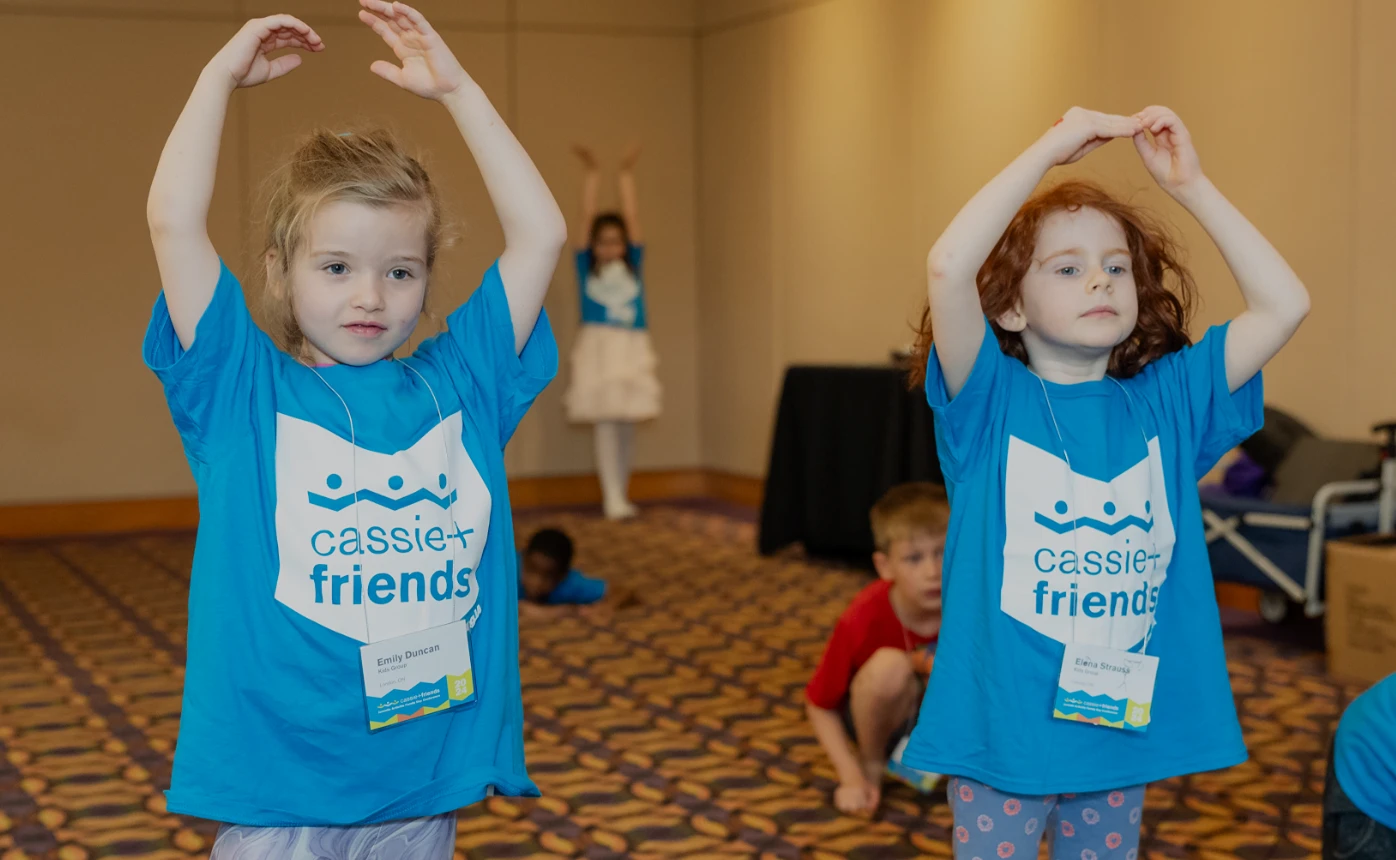
Kids with JIA shouldn’t play sports.
Fact:
Movement is an important part of treatment. Staying active can support mobility, reduce stiffness, and improve both physical and mental health.
It’s natural to want to protect a child from discomfort, but avoiding movement isn’t always the answer. With guidance and support, staying active can help children feel stronger, more confident, and more in control.
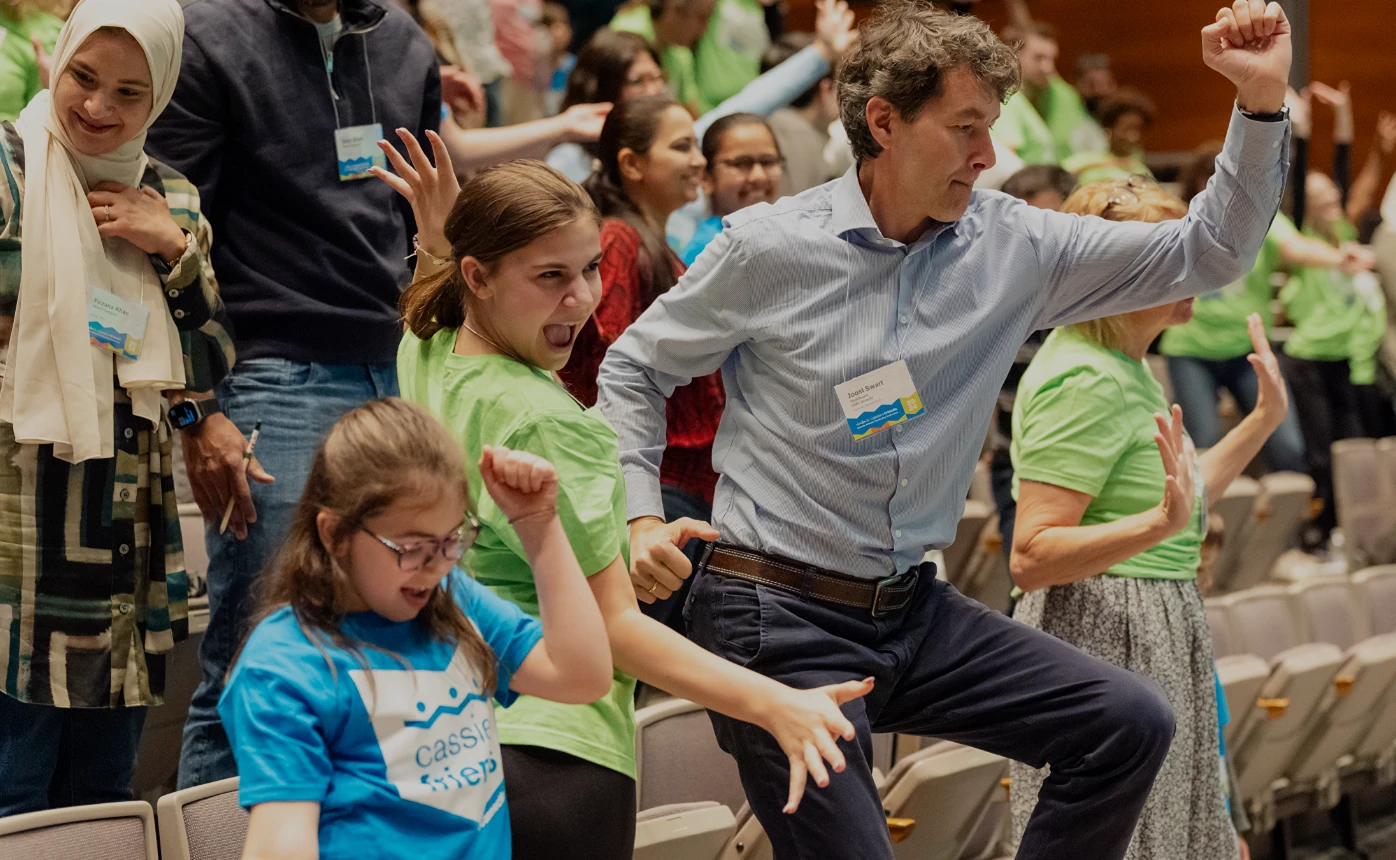
“My daughter and I have appreciated the accessibility of Cassie + Friends. Living in Saskatchewan in a smaller city, we do not have access to as many supports and services. The online education and connection Cassie and Friends offers makes it easy for people living all across Canada to feel supported.”
— Kyla & Dede