
Pain Management Tools
Practical strategies to help manage pain and improve daily comfort
Pain is one of the most common symptoms of pediatric rheumatic disease and can vary in intensity and frequency. Managing pain often involves a combination of medical treatment, physical strategies, and emotional supports.
This page brings together practical tools and approaches to help reduce discomfort, support mobility, build coping skills, and improve overall quality of life.

Understanding Pain
Pain is often caused by inflammation in the joints, but it can also be influenced by fatigue, stress, and disease activity. It may be constant or occur in flare-ups, and it can affect movement, sleep, and participation in daily activities.
Understanding how pain presents — including triggers, patterns, and intensity — can help guide more effective management strategies.
Physical Strategies
Heat Therapy
Gentle Movement and Stretching
Cold Therapy
Supportive devices

“In the beginning, everything felt overwhelming — the appointments, the medications, the constant uncertainty. Connecting with other families through Cassie + Friends made a huge difference.”
— Parent, Cassie + Friends Community
Daily Management
Supporting your child with effective daily strategies.
Building supportive daily habits can make a meaningful difference in how pain is experienced and managed.
Some Examples:
- Pacing activities to avoid overexertion
- Incorporating rest breaks throughout the day
- Maintaining consistent sleep routines
- Adjusting tasks to reduce strain on joints
- Modified activities, extra time or supports at school
Medication and Pain
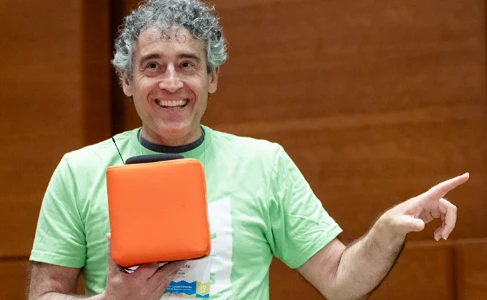
Medications are often used alongside other strategies to reduce inflammation and manage pain. These may include NSAIDs or other treatments as part of a broader care plan.
For more detailed information, visit:
Managing Fatigue
Fatigue is a common but often overlooked symptom of rheumatic disease. It can affect your child’s ability to participate in school, activities, and social life.
Supporting your child with energy management strategies can help:
- Build rest into the day when needed
- Prioritize activities that matter most
- Encourage open communication about how they’re feeling
Understanding fatigue as part of the condition — not a lack of effort — is important for both children and caregivers.

Mind-body Strategies
Pain is not only physical — emotional and mental factors can influence how it is experienced. Stress, anxiety, and fatigue can all increase pain sensitivity, while relaxation and a sense of control can help reduce it.
Mind–body strategies focus on helping the body relax and improving how the brain responds to pain. These approaches can be especially helpful during flare-ups or periods of increased discomfort.
Tools may include:
- Relaxation techniques — Help calm the body and reduce muscle tension
- Breathing exercises — Support relaxation and help manage pain in the moment
- Mindfulness or guided imagery — Shift focus and reduce stress responses
- Distraction techniques — Activities like music, games, or creative outlets that redirect attention away from pain
- Emotional Support — Talking with a parent, friend, or counsellor can help children process frustration, anxiety, or sadness that can come with chronic pain.
These approaches can help reduce stress, improve coping, and support a greater sense of control during periods of discomfort.
Supporting Young People
Children and youth may not always be able to clearly describe their pain. Encouraging open communication and helping them feel heard can improve both understanding and management.
Supporting independence, while providing reassurance, helps children build confidence in managing their symptoms over time.
Youth Mentorship
Find more support through youth mentorship program
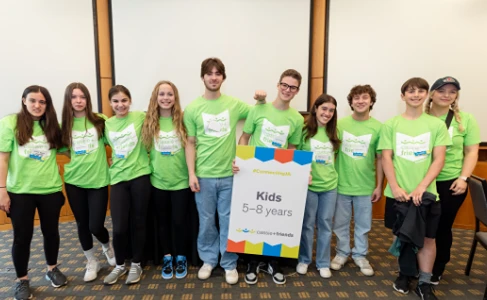
The Cassie + Friends Youth Mentorship Program connects young people with trained mentors who have lived experience with rheumatic disease—offering guidance, support, and real connection when it’s needed most.
Pain Videos +Webinars
Practical guidance for understanding and managing pain.
These videos and webinars share expert guidance, youth perspectives, and pain-management strategies to help families better understand chronic pain and support children through difficult days.
Video resources for students, families, and educators.
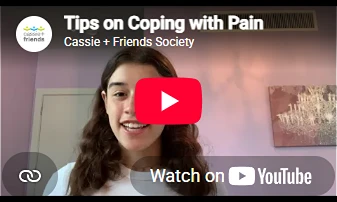
Coping with Pain Tips from C+F Youth
In this #Cassie_ Talks post, Cassie compiles videos from kids across Canada sharing their tips on how to cope with the pain caused by juvenile arthritis.

Understanding Pain in Less than 5 Minutes
This is a great, easy to follow video about chronic pain. It helps you understand what current research has been saying about chronic pain – thats its not a joint or muscle problem, rather a ‘re-wiring’ of the brain perception of itself. In other words, the brain has become more sensitive than before.
Tame the Beast – It’s time to Re-Think Chronic Pain
Pain scientists starting to think differently about persistent (chronic) pain and its causes, are they’re making exciting discoveries – like how you think about your pain can change the way it feels.
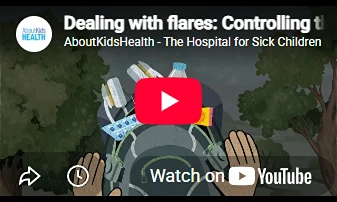
Tame the Beast – It’s time to Re-Think Chronic Pain
This video explains how to recognize what is and what is not in your control and how to accept what you cannot change when living with a chronic physical or mental illness.

Dilute the Yuck!
This audio meditation helps you identify pleasant or neutral experiences in the midst of discomfort. Engaging in this practice can be helpful when feeling overwhelmed.

Visualize Your Pain
This audio meditation helps you visualize your discomfort. When you are struggling with pain, it can be used to help discover a new way to experience and respond to it.
Ice Cube
This meditation helps you find a new way to experience discomfort. Use it to explore the thoughts, feelings or sensations that come with being upset or feeling soreness.
Soften, Soothe, Allow
This audio meditation helps you soften towards discomfort instead of resisting uncomfortable experiences or distracting yourself when they arise.

Comfort Your Pain
This audio meditation helps you explore and bring comfort to an unwanted thought or an area of physical or emotional discomfort. Use it when you are feeling overwhelmed.
Pain Resources
Use these resources to learn more about chronic pain, coping strategies, mindfulness, and support tools for children, youth, and caregivers.
Related resources are here for you.
Pain FAQs
Pain can raise difficult questions for both children and caregivers. These FAQs share guidance from the current C+F pain resources on coping, school support, and understanding how pain can change over time.
My daughter is 6 years in and hasn’t achieved remission. She doesn’t remember a life before JIA and never actually had one before that as she was diagnosed before she was 2. It is very hard for her to be positive and she has developed anxiety and sometimes seems depressed (age 8.) Is there anything you could suggest to help her find a positive reframe when she doesn’t know anything else other than pain, sickness, missed birthdays and isolation because of the pandemic..?
We would suggest to speak with your rheumatology team or with your family doctor. Rheumatology clinics often have access to psychologists or other resources that can help to develop strategies to cope with disease and impact. Family doctors might know good community resources that might be helpful for your daughter.
How do you suggest dealing with school teachers and specific subjects (my daughter is in grade 7), especially when missing so much school time due to pain?
We would suggest speaking with your pediatric rheumatology care team about your concerns with your child’s participation at school. Rheumatology clinics generally have a letter to share with the school for modifications that may be required by a child with arthritis. If this is not sufficient, often the team’s social work, occupational or physiotherapy can liaise with the school (on behalf of you child with consent) to bridge any knowledge gaps the school has about modifications that a child with arthritis may require. Our goal is to have our child participate to the best of their ability and there are several modifications that may be helpful, so please speak with your care team.
Does pain tolerance change with age?
Pain is truly both a physical and an emotional experience perceived and processed by the brain, and it is a real health problem. Each child has a different pain perception, and the meaning of pain is also different from child to child. Age differences in pain perception are not consistent. Acute and chronic pain is an area where there is a LOT of research going on in Canada and worldwide. Researchers are studying the effects of early childhood pain on adolescents and adults, how best to measure and treat pain in children of all ages.
Additional Support

If pain is increasing, persistent, or interfering with daily life, it’s important to connect with your healthcare team. Adjustments to treatment or additional support may be needed.
Support Us
Managing Pain is a Process
Pain management is not one-size-fits-all. With the right combination of strategies, tools, and support, children and families can find approaches that work best for their needs.