
Secondary / Middle School
Plan ahead with teachers and coaches.
For a parent of a child with Juvenile Arthritis, September’s approach means far more than just the buying of school supplies and new clothes. It also requires some special preparation for your child’s new teachers, care providers, coaches and more. Despite being such a common condition in children, many teachers are still unaware that kids can get arthritis and most will have had limited, if any, experience teaching children with this disease.

Talk to Educators
Your child’s teacher will be spending several hours each day with your child. They may notice physical or emotional changes that you haven’t seen at home.
We suggest you set up a meeting with your child’s teacher(s) within the first couple of weeks of the school year. Depending on the age of your child and how severe their disease, what you choose to discuss may differ.
Important topics to cover:
- What joints are affected and how the joint pain or stiffness may limit performance in school work or participation in classes such as physical education. Try to emphasize that symptoms may fluctuate over the course of the day, week or month.
- Which medications your child is taking and the side effects they experience as a result.
- Expectation of absences due to doctors appointments and late arrivals due to morning stiffness.
- Asking the teachers to report any symptoms that they observe during the school day
- Awareness of sadness or embarrassment as a result of your child being “different” from their peers.
Customizable Letters
The following toolkit has been designed to increase awareness of Juvenile Arthritis and other rheumatic diseases in school, and help parents and children communicate their needs to their educators. These resources for students, parents and teachers will help kids get back to what’s important at school – learning and having fun! Use the links below to view certain sections of the toolkit.
Just fill in the blanks, personalize the letter with information specific to your child, and start the conversation today!
School Checklist
This checklist, presented by Occupational Therapist Heather Best at Cassie and Friends 2018 BC Family Day, is designed to assist parents or teens, in consultation with their Pediatric Rheumatology care team, to communicate a student’s rheumatic disease school challenges and recommendations to their educators. Some Key Considerations:
Additional Resources

Educate Your Peers
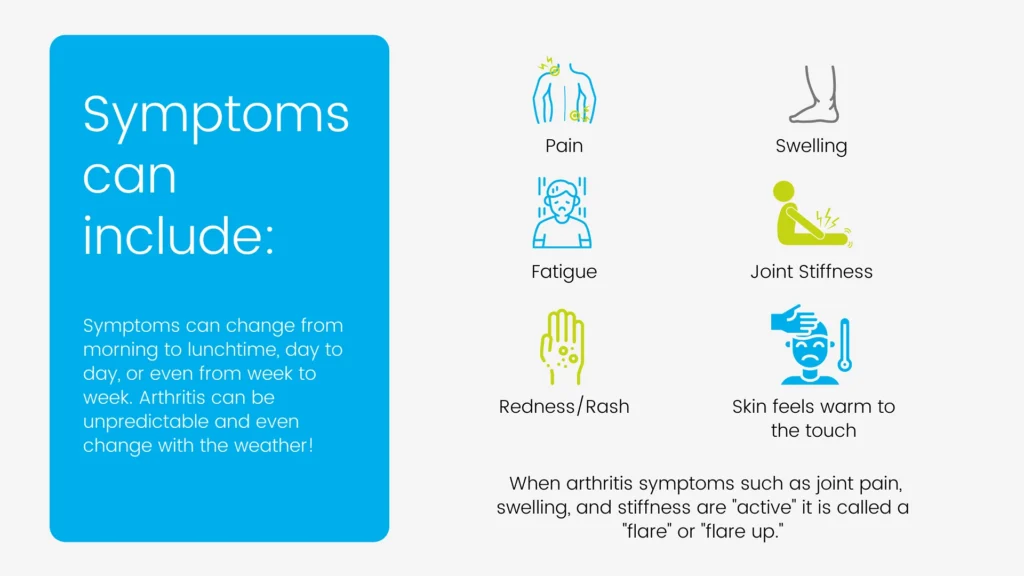
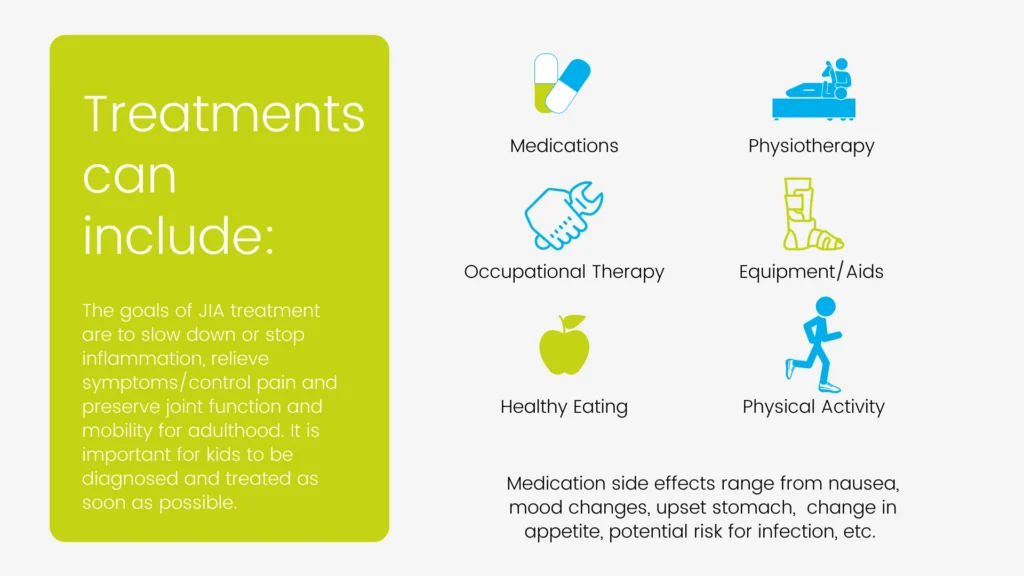
Based on our experience, most people don’t know that kids and teens get arthritis and we’re here to help change that! Our new Juvenile Arthritis Classroom Presentation gives you an easy and fun opportunity to educate classmates and teachers about juvenile arthritis and other rheumatic diseases.
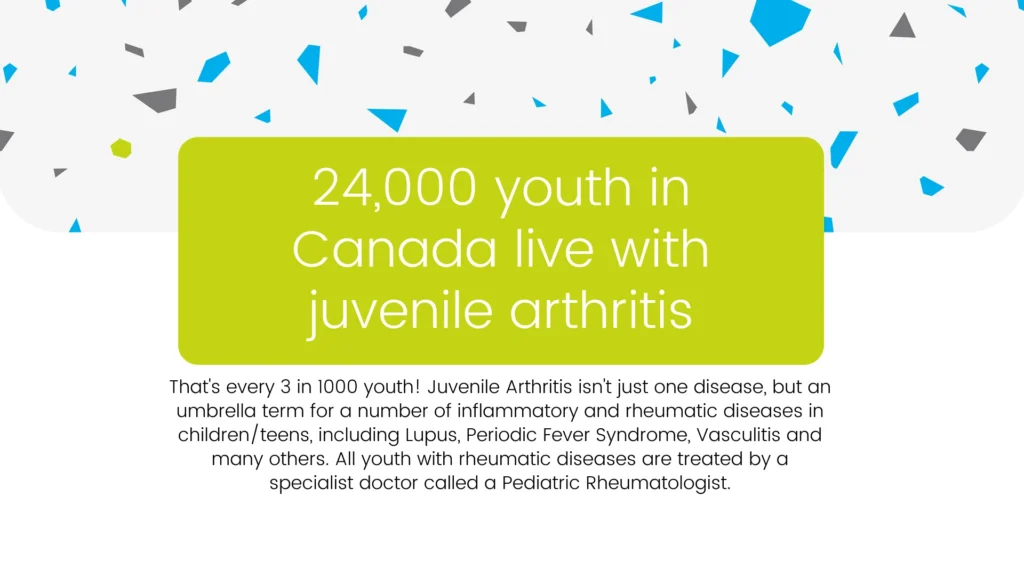
From, ” I thought that disease was for old people,” to “You don’t look like you’re in pain…”, we are here to help break down the myths and raise awareness of this chronic disease affecting over 24,000 Canadian youth. Educating others on juvenile arthritis is an empowering experience where you can share what it feels like to have a chronic condition, and teach peers to become more understanding and aware of invisible illnesses.


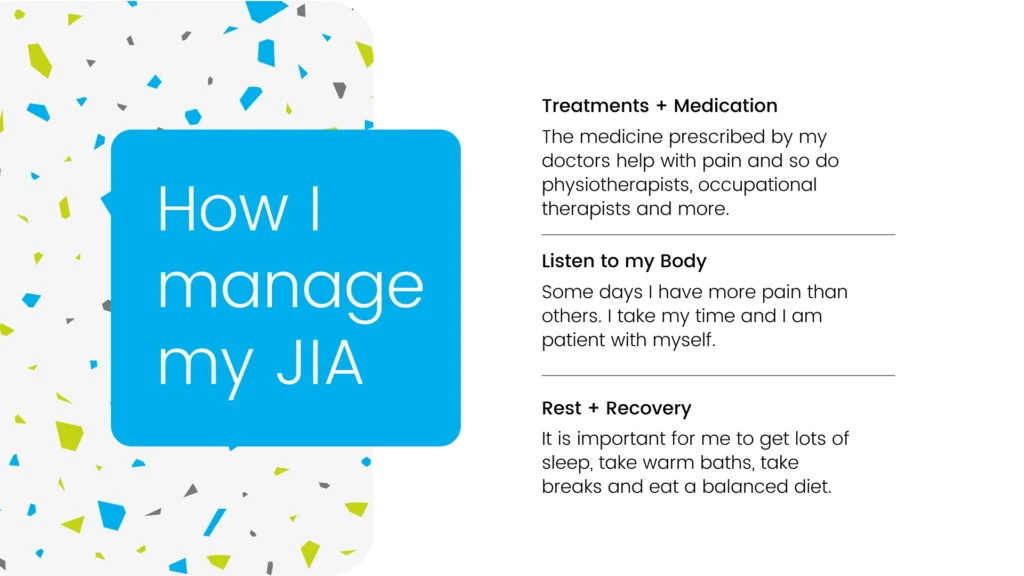


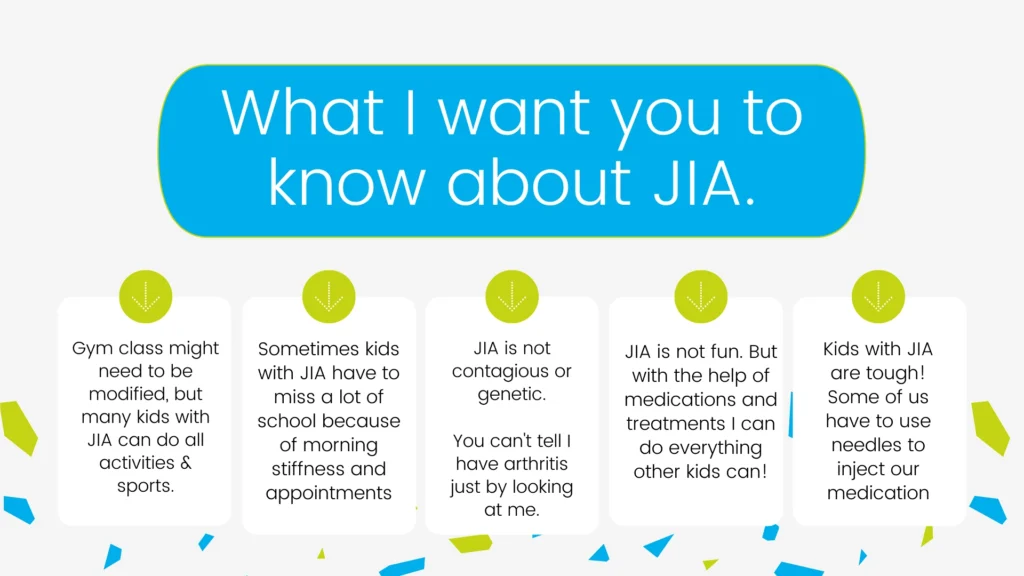
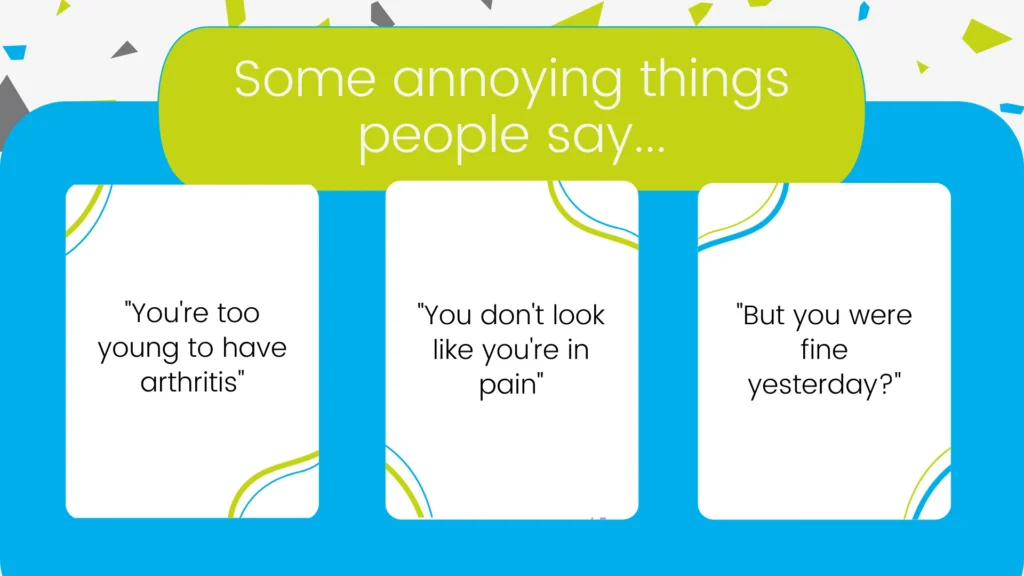


Ready to teach others about juvenile arthritis? Here’s how to get started!
- Email us to let us know you are interested in sharing the presentation in the classroom.
- We’ll send you the presentation, presenter notes and a few extra pointers to keep the audience engaged.
- Practice makes perfect!
- Once you’ve completed the presentation, tell us how it went and we’ll send you a Cassie + Friends hat in return!
Scholarships

School Videos
Video resources for students, families, and educators.
School can look different for every student. Some families are managing morning stiffness, pain, and fatigue. Others are working through teacher communication, missed classes, friendships, gym participation, or learning how to ask for support.
These videos help families hear from others who have been there — and remind students that support, confidence, and connection are possible.
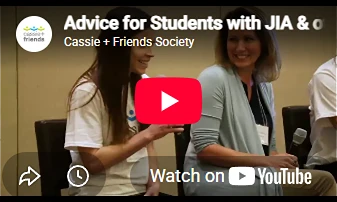
School Tips from Experts
Get expert advice and recommendations from an occupational therapist, a parent, a school administrator and a young adult with JIA as they host a panel on School Solutions and Educational Rights, held at Cassie and Friends 2018 BC Juvenile Arthritis Family Day. They cover a variety of issues including how to effectively communicate with educators, what school accommodations your child might benefit from and an overview of your child’s educational rights.
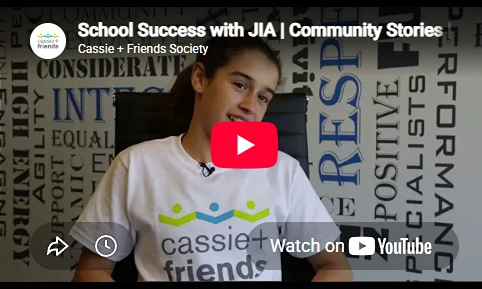
School Success with JIA
Hear from kids, youth and parents on how they navigated school, friendships, teacher communications, physical education and more with Juvenile Arthritis and other rheumatic diseases.

Medical Educational Video – Arthritis Society
Through the voices of children and teens living with juvenile idiopathic arthritis (JIA), this video gives teachers and others a better understanding of how arthritis affects students. It also offers suggestions for how to make school a friendlier and more welcoming place for someone living with JIA.