
Physical Activity
Supporting Movement, Strength, and Confidence
Staying active is an important part of managing rheumatic disease — and one that often comes with questions and concerns for families. Many parents wonder what is safe, when to rest, and how to support their child without making symptoms worse.
With the right support and guidance, children and youth can stay active, build confidence, and participate in the activities they enjoy.
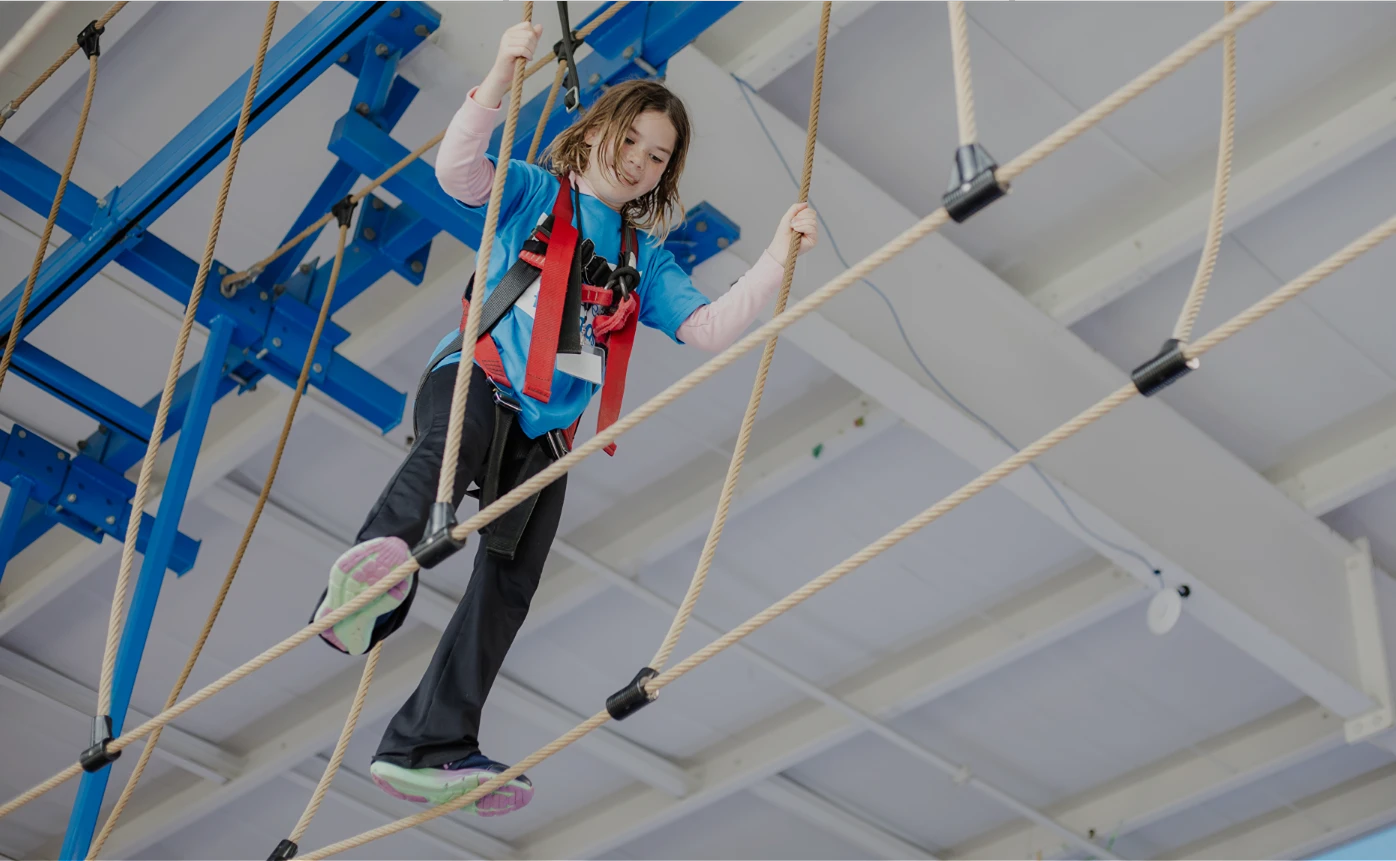
Why Physical Activity Matters
Movement makes a difference.
Movement plays an important role in both physical and emotional wellbeing.
- Helps maintain joint flexibility and range of motion
- Supports muscle strength and joint stability
- Improves energy levels and reduces fatigue over time
- Supports mood, confidence, and social connection
Staying active can also help children feel more engaged in school, activities, and everyday life.
Even gentle, consistent movement can make a meaningful difference.
Striking a Balance
Listening to our body is part of a balanced approach.A healthy lifestyle includes routines and supportive environments.
Physical activity should be adapted to each child’s needs and how they are feeling day to day. Some days may allow for more activity, while others may require rest or modification.
A balanced approach means listening to the body — not pushing through pain, but also not avoiding movement altogether.
The goal is to stay active in ways that feel safe, manageable, and sustainable.
Types of Activities
Different types of movement can support different aspects of health.
A mix of activities can support different aspects of health and keep movement enjoyable.
Low-impact activities
Walking, swimming, or cycling can support movement without putting excess strain on joints
Stretching and flexibility
Gentle stretching or yoga can help reduce stiffness and maintain range of motion
Strength-building activities
Light resistance exercises can support muscle strength and joint stability
Everyday movement
Playing, walking to school, or participating in daily activities all contribute to staying active
Physical Activity Tips
Start Slowly
Enjoyable Activities
Plan Activities
Regular Movement
Balance Rest
Be Adaptable

Balance and Movement
Physical activity doesn’t need to be intense or structured to be beneficial. A balanced approach focuses on staying active in ways that feel safe, enjoyable, and manageable over time.
Some days may allow for more movement, while others may require rest or adjustment. Both are part of a healthy routine.
A balanced approach may include:
A mix of activity types
Combining flexibility, strength, and low-impact movement helps support overall function and joint health
Consistency over intensity
Regular, gentle movement is often more beneficial than occasional high-intensity activity
Listening to the body
Adjusting activity based on pain, fatigue, or flare-ups helps prevent overexertion
Balancing activity and rest
Recovery is an important part of staying active and avoiding setbacks
The goal is to build confidence and maintain movement — not to push beyond limits.
Physical Activity FAQs
Can children with rheumatic disease still play sports?
Yes. Many children and youth can continue to participate in sports and physical activities they enjoy. The key is choosing activities that feel manageable and making adjustments when needed. Staying active is an important part of maintaining strength, mobility, and confidence.
Should my child avoid physical activity if they are in pain?
Not necessarily. Some movement can actually help reduce stiffness and improve comfort. However, activity may need to be modified during periods of increased pain or flare-ups. It’s important to find a balance between staying active and allowing for rest.
How can I tell between normal soreness and pain related to their condition?
Mild soreness after activity is common, especially when trying something new. Pain related to the condition may feel more persistent, increase over time, or be accompanied by swelling or stiffness. If you’re unsure, it’s best to check with your healthcare team.
What types of activities are safest?
Low-impact activities like swimming, walking, cycling, and gentle stretching are often well-tolerated. Strength and flexibility exercises can also be helpful when done appropriately. The best activity is one that your child enjoys and can do consistently.
What should we do during a flare-up?
During a flare-up, it may be helpful to reduce intensity or switch to gentler forms of movement. Rest is important, but complete inactivity is not always necessary. Light stretching or low-impact movement can help maintain mobility, depending on how your child feels.
Can my child participate in school gym class?
In most cases, yes — with appropriate modifications. Communicating with teachers or coaches can help ensure activities are adapted to your child’s needs. This allows them to stay involved while reducing the risk of discomfort or injury.
How can I support my child in staying active?
Encourage activities they enjoy, build routines that include regular movement, and support flexibility when adjustments are needed. Creating a positive, low-pressure environment helps children build confidence and stay engaged over time.
When should we ask for additional support?
If you’re unsure about what activities are appropriate, or if your child is experiencing ongoing pain or difficulty with movement, your healthcare team can help. They may recommend specific exercises or refer you to a physiotherapist.
Additional Resources

Related movement and activity resources are here for you.
Physical Activity Videos
Video resources for children and older children.
These short videos offer practical guidance and simple techniques to support movement and exercise.
Physical Activity 101: Getting Active with JA
Clinical Dietician, Inez Martincevic will review what we currently understand about nutrition in managing rheumatic diseases including a review of the effects of symptoms and medications on optimal nutritional status.
Functional and Movement Impairments with JA Webinar
Inez Martincevic, a clinical dietician from The Hospital for Sick Children (SickKids) in Toronto, speaks about nutrition and juvenile arthritis.
How to Gym with JA and other Rheumatic Diseases
Inez Martincevic, a clinical dietician from The Hospital for Sick Children (SickKids) in Toronto, speaks about nutrition and juvenile arthritis.
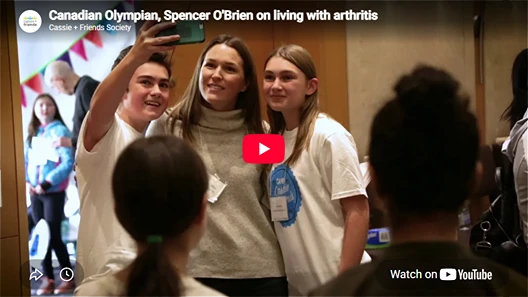
Canadian Olympian, Spencer O'Brien on living with arthritis
Canadian Olympic Snowboarder, Spencer O’Brien, was diagnosed with arthritis in 2013 as a young adult, but she hasn’t let it slow her down. Instead, Spencer has taken her pain, experiences and struggles and turned herself into a true arthritis warrior.Inez Martincevic, a clinical dietician from The Hospital for Sick Children (SickKids) in Toronto, speaks about nutrition and juvenile arthritis.
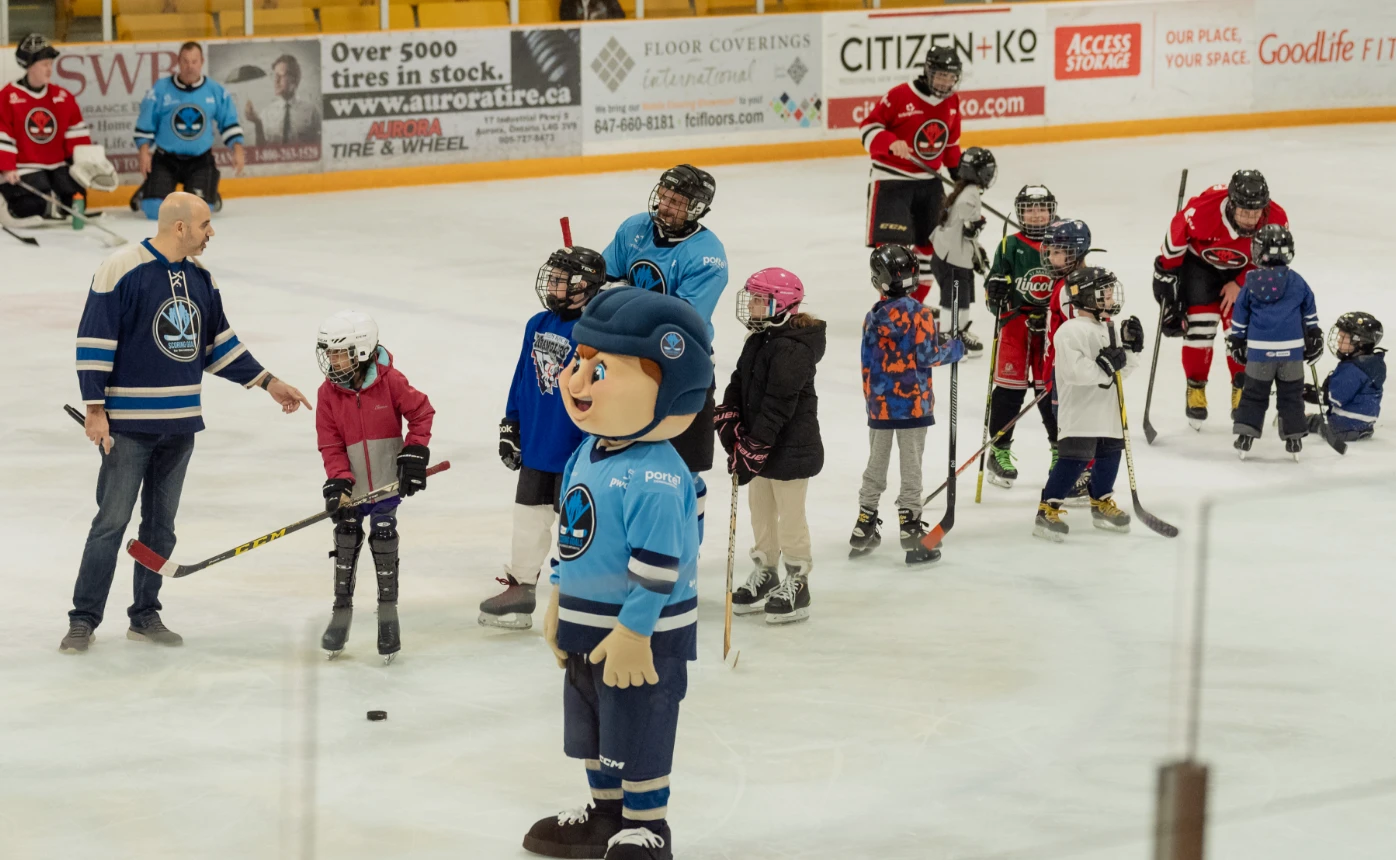
Physical Activity Stories
Real Stories. Real Movement.
Every young person’s journey with rheumatic disease is different. Explore stories from youth and families who have found ways to stay active, build confidence, and keep moving forward.
Team Cassie + Friends
Get active. Make an impact.
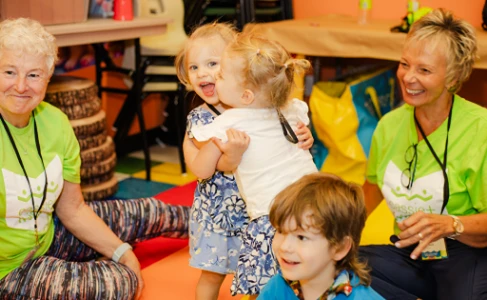
Join Team Cassie + Friends and be part of a community coming together to support children and families affected by rheumatic disease. Whether you walk, run, or create your own event, every step helps raise awareness and funds for programs and research.
This includes:
- Participate in walk/run events across Canada
- Join as a family, team, or individual
- Create your own community event
- Help raise awareness that kids get arthritis too