

Editor’s Note
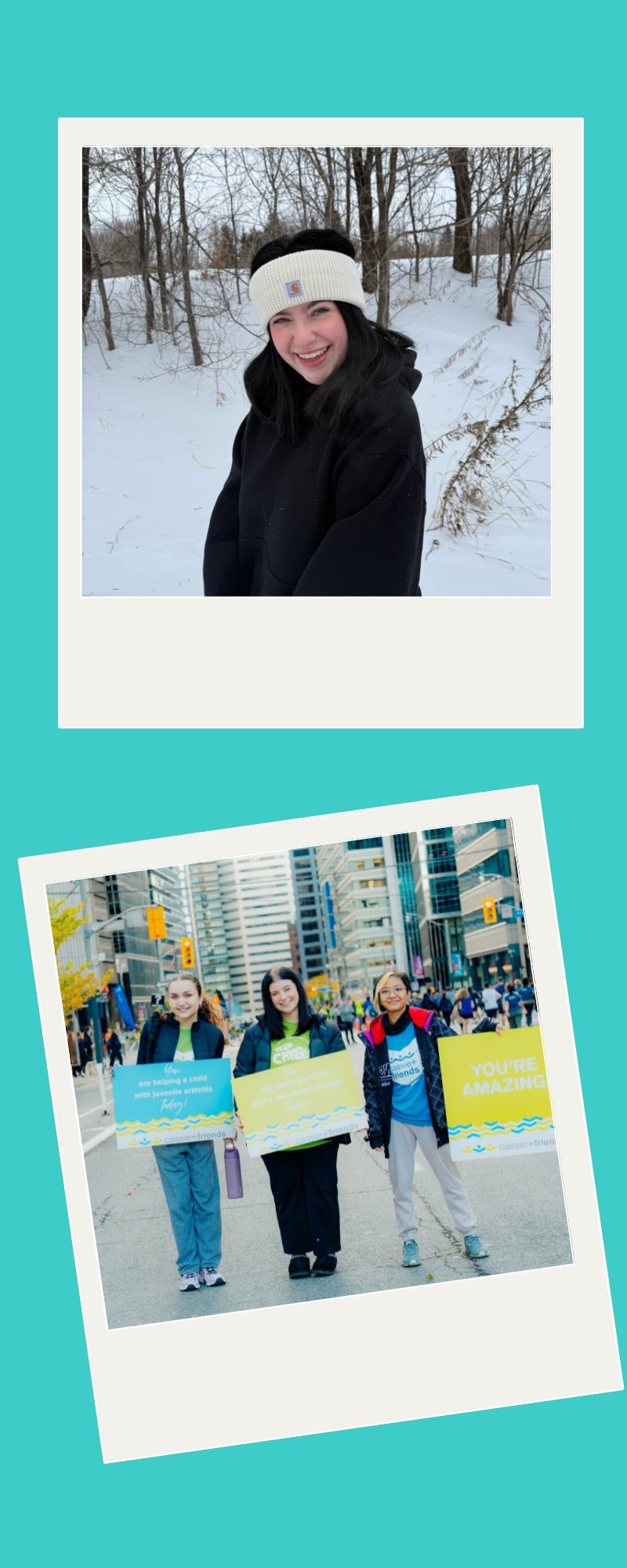
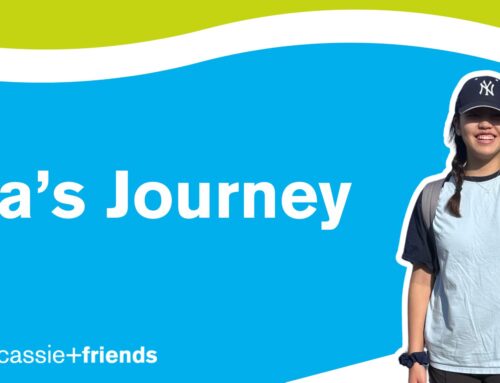
Daniela is an 18-year-old youth living with Systemic Lupus Erythematosus. In this piece, she shares her journey to diagnosis, the realities of growing up with a chronic illness, and how her experiences have shaped her passion for advocacy and helping others navigating childhood-onset rheumatic disease.
Getting a Diagnosis
My name is Daniela, and I am 18 years old. I was diagnosed with Systemic Lupus Erythematosus when I was 13, but my diagnosis did not come quickly or easily. My symptoms in the beginning appeared as red, painful rashes on my legs. They were so itchy and inflamed, and painful that it hurt too much to walk. During flares, I couldn’t stand for more than a minute without collapsing because my body simply couldn’t handle the weight. For years, no medications helped. The “rashes” only worsened, and each appointment brought more questions than answers. I went through countless blood tests, biopsies, and specialist visits. My white blood cell count was always high, pointing toward an autoimmune condition, but no one could figure out which one. My bloodwork results never fit into a specific disease “box”. In other words I didn’t fit the criteria for any diagnosis. For seven years, I remained a medical mystery to all doctors, and lived with lupus without being treated accordingly.
Looking back, I’m grateful that much of this happened when I was young, because I didn’t fully understand how serious it all was. My parents carried that weight for me. They advocated, pushed for answers, and never stopped fighting to figure out what was wrong. I don’t think I would be where I am today, without them.

Living with Flares
I was a very active kid. I was enrolled in various activities, karate, swimming, competitive dance, and gymnastics. However, physical activity was one of my biggest flare triggers, my very first vasculitic flare happened at Karate class when I was 5 years old. The things I loved most became the hardest to do.
Living with an undiagnosed rheumatic disease meant I was almost always in pain. When I was younger my condition was at its most severe point in my life. I felt physically limited in some way every single day. I had to miss out on activities, slow down, or sit out entirely while everyone else kept going. I often tried to push through the pain so I could feel like the rest of the kids my age, but I often just suffered the consequences of pushing my body too far. I would experience flares for weeks at a time, and there was nothing to help.
As I’ve gotten older, my flares have changed drastically. I still experience vasculitic rashes, but they’re much milder than they were when I was younger. With proper treatment, they’ve become manageable, which has allowed me to stay active without constantly triggering a flare. In fact, I even joined a girls’ tackle football team in Grade 10 — something my five-year-old self would have never thought possible. While new challenges have come with age, including joint pain, but after years of experimenting; physical therapy and pain medication have helped me learn how to manage it and continue doing the things I love.
One of my biggest challenges right now is the chronic fatigue that comes with living with a chronic illness. It’s something I’ve carried with me for as long as I can remember, but lately it feels heavier and harder to ignore. I didn’t even know there was a name for it until last year. Chronic fatigue is difficult to explain because it’s so much more than being tired. Tiredness can be fixed with sleep. This can’t. It feels like a deep, constant ache in my body, like my muscles are weighed down from the inside. My eyes feel heavy all day, and even simple tasks can feel draining. No matter how much I rest, it never fully goes away.
More Than my Illness
Over the years, I have grown a fond interest in the field of medicine and rheumatology. I hope to become a pediatric rheumatologist and help kids living with rheumatic diseases. Over the past year, I have started getting involved with advocacy. Raising awareness for all types of rheumatic disease, lupus included. I have recently learned about Cassie + Friends and they have shown me the impact of advocacy. I had no idea that these types of organizations existed when I was younger but I know they are impacting the lives of so many. I love being able to give back by sharing my experiences and hopefully helping someone who is experiencing the same thing as me. I truly believe that helping people is what I was meant to do in life, and I wouldn’t be here if it weren’t for lupus and all the challenges I have been through.
All that being said, support and community are so important. While I may not have known about these types of organizations when I was younger my parents, and grandparents were the best support system I could have asked for. My mom never missed an appointment, and my nonno and nanna attended 8 hour-long treatment sessions. You are never alone in this journey, and it is so important to lean on those who support you.
Daniela’s message (One thing I wish people knew about chronic illness….)
Every chronic illness has its challenges; mine surely does. But I couldn’t be more grateful for my experience with lupus. It has formed me into the person I am today, and now I get to take my lived experiences and help others.
The biggest advice I could give someone navigating life with a chronic illness is even when things feel confusing, unfair, or overwhelming, or if things feel like they are constantly changing you are not alone. There is a whole community of people who understand the weight you’re carrying. Your life may look different than you expected, but different doesn’t mean less meaningful. You are stronger than you think, even on the days you don’t feel like it.


Leave A Comment