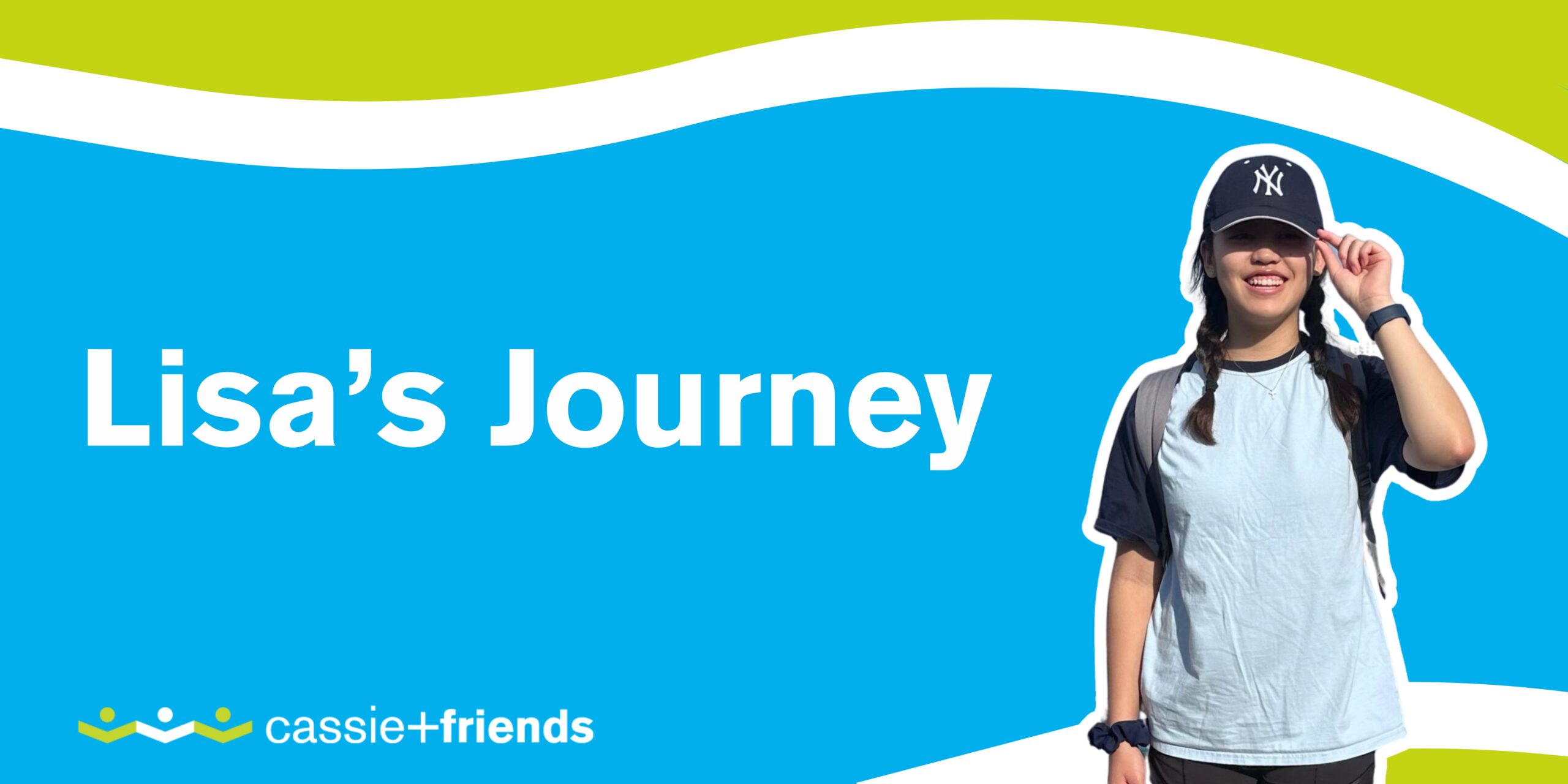
Living with JIA – Lisa’s Journey


It started out as sharp pain in my hips which I believed to be a pulled muscle;
however, it soon progressed into a severe pain and stiffness. Days passed as I used
crutches to simply walk around, and I remember that any instance of lying down
exacerbated the pain, leaving me immobilized. As my condition was not improving, I
decided to visit my local hospital emergency room, where doctors told me that it was
likely tendonitis and sent me back home with a regular pain-relieving prescription.
Unfortunately, this didn’t help with any of the symptoms that I was experiencing. But just
as I was starting to feel more hopeless, my sister suggested a solution. She had
recently been diagnosed with ankylosing spondylitis, an adult form of arthritis, after
years of having similar pain and not knowing the cause. Hence, she suggested that I get
a specific blood test and MRI, which I did, eventually confirming my diagnosis of
Juvenile Idiopathic Arthritis (JIA). I was then referred to a pediatric rheumatologist who
was incredibly supportive and understanding, but as a grade 11 high school student,
navigating this disease was quite challenging. I vividly recall limping around the
hallways to get to my classes and feeling joint pain despite consistently using NSAIDs
that subjected me to adverse effects. After some time, I realized that my treatment plan
was not helping, but when I finally transitioned to using biologics, everything turned
around. Despite the needles being a daunting factor, I was able to overcome my fear
through the incredible support of my family. Around this time, I had also stumbled
across Cassie + Friends while searching for organizations for youth with rheumatic
diseases, and I have kept up with the community ever since. Slowly, with my new
medication, and with the help of knowing that I was not alone in my journey, I started to
experience a pain-free life once again. Today, I am happy to say that I am in remission!
This fall, I will be entering my third year of the Bachelor of Health Sciences
program at Queen’s University, and I am hoping to pursue a career in medicine to
support patients in the way that I have been cared for. I am just as passionate about
rheumatology research and have been involved in delineating new fronts about the
treatment of rheumatic diseases. At Queen’s, I have had the privilege of meeting
incredible friends who have empowered me to have more discussions about JIA and to
spread awareness about this invisible condition. Additionally, as the Vice-President of
the Queen’s Rheumatic Disease Club, I have received the experience of connecting
with students that have similar diagnoses as mine, while supporting the rheumatic
disease population in our school community with care packages and advocating for our
needs! I have also completed the mentorship training at Cassie + Friends with the goal
of giving back to this this community and being present for any youth to reach out to if
they are in need. In short, my diagnosis has been nothing less of a vehicle that has
allowed me to realize my interests and aspirations.
Lastly, while I know that each individual’s experience with a rheumatic disease
will certainly differ, I wanted to provide some insight into the things that I learned from
the past several years! For those who are currently facing a new diagnosis, I encourage
you to reach out and maximize your use of available resources (E.g. booking a session
with a mentor through Cassie + Friends, getting involved in our regional walks, etc.).
While it may seem like a lonely journey ahead, there are actually many other people out
there who are willing to help make it better! For both parents and youth, never be afraid
to ask your rheumatologist questions about your diagnosis – big or small. They are
there to listen, support, and guide you through every twist and turn of this path. Finally,
always prioritize your health, and remember that Cassie + Friends offers a supportive
and compassionate community, empowering you to navigate your youth and adulthood
with a rheumatic disease with greater confidence and hope.


Leave A Comment