Hello,
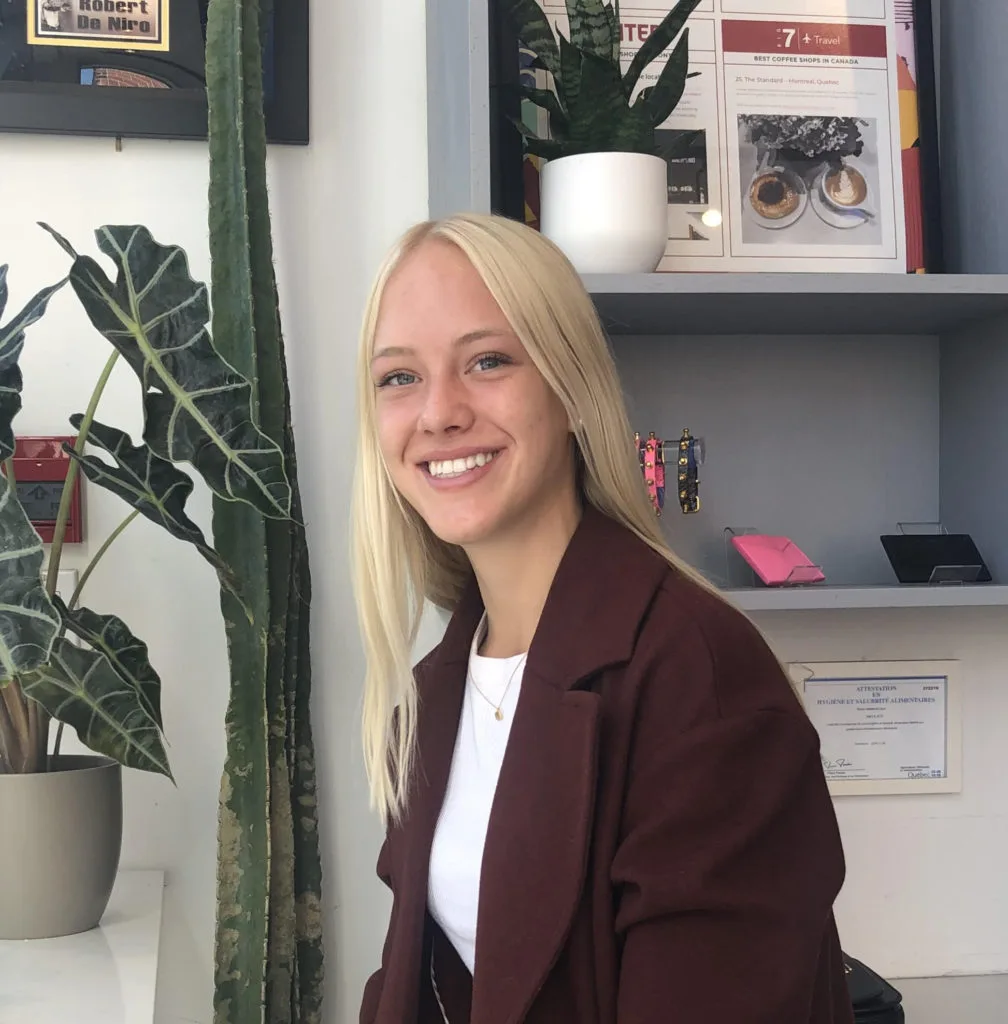
My name is Emma Linsley, and I am from Saskatoon, Saskatchewan. When I was 15 years old, I was diagnosed with JIA. Along with needing to learn to manage the physical ailments of the disease, this diagnosis brought with it a complex set of other challenges that my support network and I would have to face. Over the last six years, throughout my journey to remission, I have had to navigate the medical systems of two provinces, learn how to travel with my disease, and how to successfully have an academic career. I am still learning and am continuing to grow as I move into new phases of my life, but here are a few things I have learned so far along the way…
- The best thing you can do to increase the effectiveness of your medications and physical treatment is taking good care of your mental health.
- Do not let the disease consume you and define your identity. You are not arthritic, you have arthritis. You are not your disease. You have a disease, but you also have so many amazing other aspects of your identity that should be celebrated.
- Having JIA doesn’t mean you can’t travel. It just takes some extra planning and a conversation with your doctors and pharmacists to make sure you are safely set up to go on your adventure!
- People are way more willing than you think to make accommodations for your health. At school, for me, it was my teachers letting me write my exams in the afternoon instead of the morning and typing instead of writing in class essays. Either way, if you ask, whether you are asking a coach or a guidance counselor, more likely than not, something can be done to make you more comfortable.
- It’s okay to not be okay, and it’s even more okay to ask for help.
This last point was the biggest thing I had to learn throughout my journey with JIA. When I was first diagnosed, I tried to pretend that everything was fine all the time. I didn’t let on how much pain my joints were in or how nauseous I was from my medications. I thought I was being strong by taking on the disease all by myself. It took me some time to realize, though, that true strength comes from having the courage to ask and leaning into your support systems and not pushing them away. Learning how to ask and communicate how you are feeling helps share the load of the disease and enables you to live life to the fullest.
Currently, I am a third-year student at McGill University in Montreal working towards my BSc, majoring in psychology. I enjoy volunteering with neurodiverse children at FCMtl and am a researcher at the Douglas Institute of Mental Health. Through podcasts, speaking at events and sitting on research committees, I hope to share some of what I have learned during my journey to help set up efficient systems that facilitate positive patient outcomes. I am grateful to Cassie and Friends for providing me with a platform to share my story and excited to see the support that they will continue to offer patients like me.
Hear more about Emma’s experience transitioning to adult care while also transitioning to post-secondary school in a new province, and so much more, at our upcoming webinar, Taking the Reins: Transitioning from Pediatric to Adult Care, on Thursday, October 28th (4:00 pm PST/ 7:00 pm EST). You’ll also have a chance to discuss the transition process with your/your child’s clinic, hear from other youth who have gone through the transition to adult care and ask questions in the LIVE breakout group Q+A. Learn More + Register now!